
Fresh data Map updated 2026-07-07
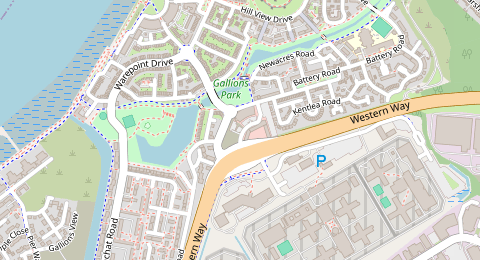
Thames Reach, Plumstead, London
15 km from London centre
London parking is highly local: TfL controls red routes and road-user charging, while each borough sets its own on-street parking zones, bays and permits. The best chances of finding likely free parking are usually outside central London, outside controlled hours, or on outer residential streets where signs allow it. Always verify the exact bay sign, CPZ entry sign and any temporary suspension before leaving your car.
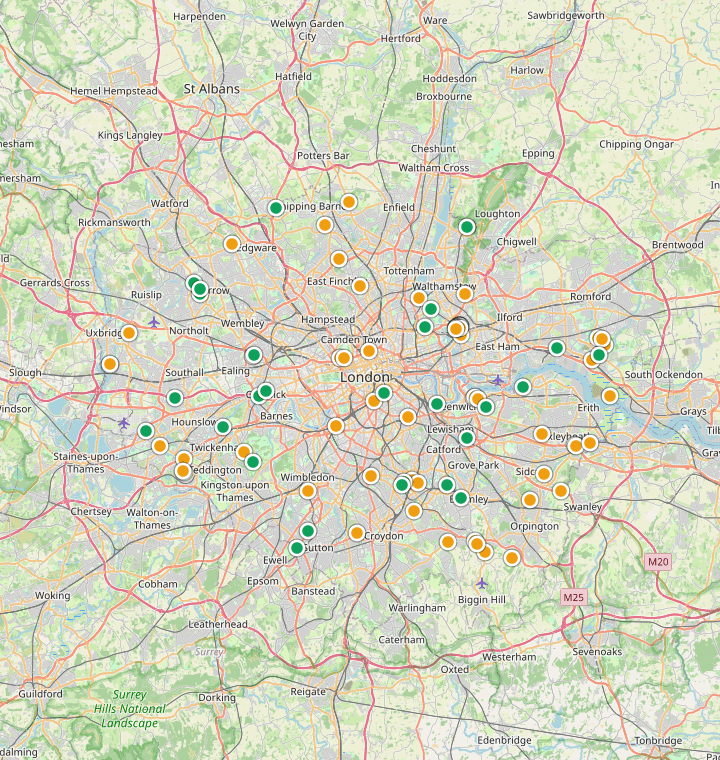
These candidates come straight from the latest community map data, ranked freshest first. Each one links to Street View, Google Maps directions and Google Maps so you can verify the signs before you drive. The last map update is shown for every spot.
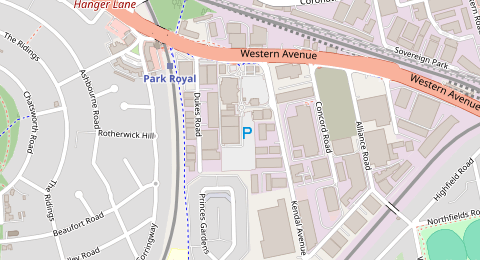
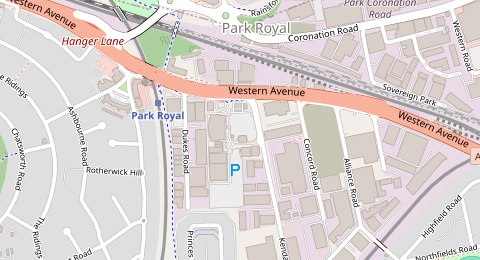
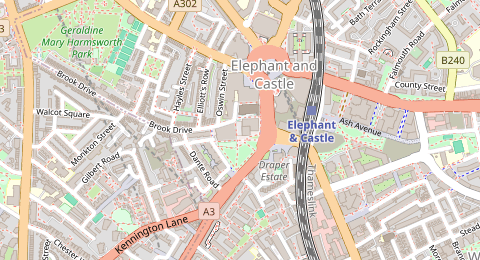
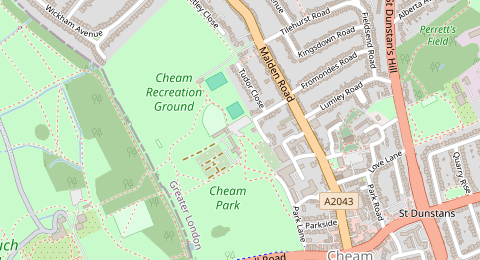
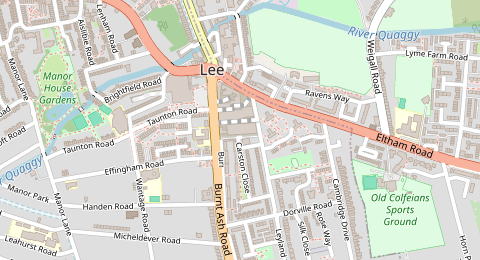
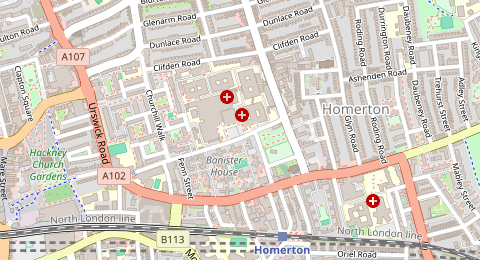
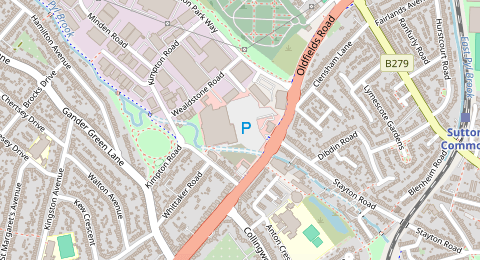
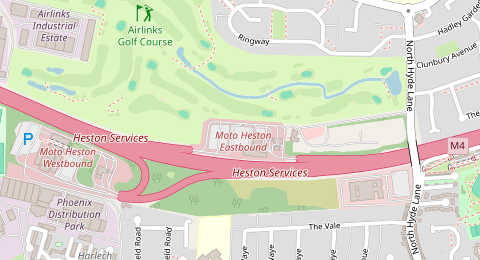
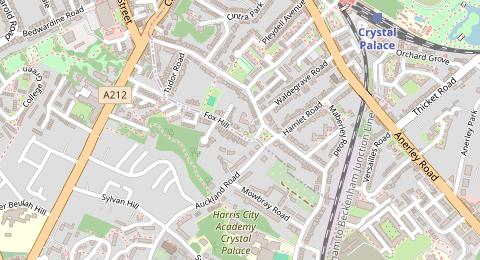
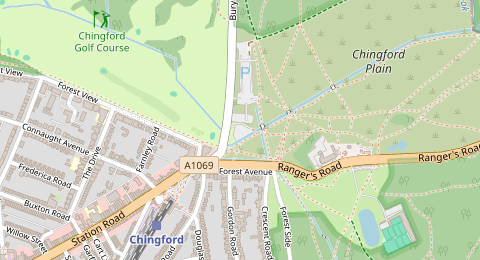
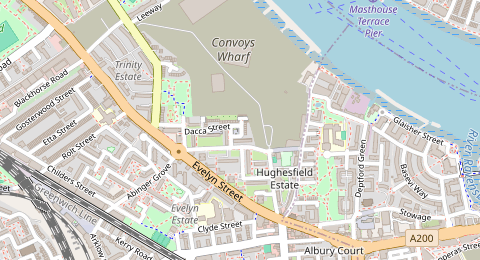
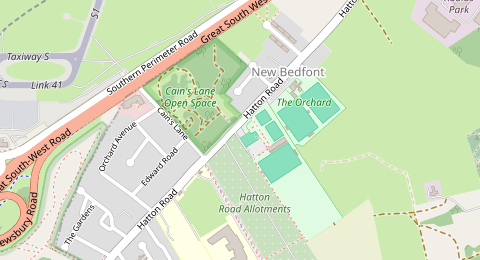
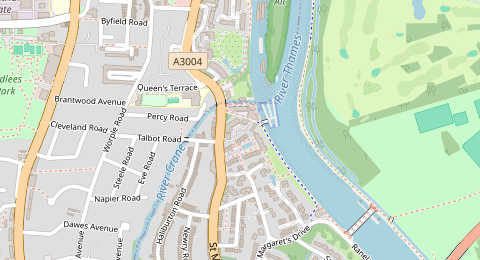
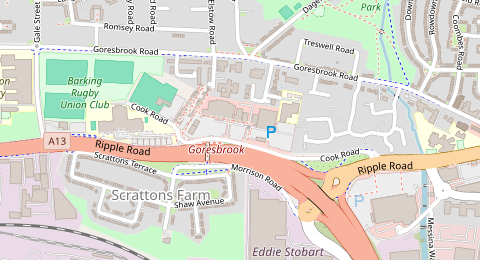
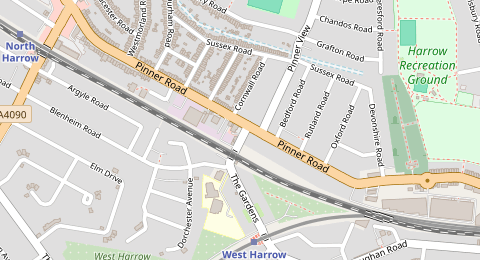
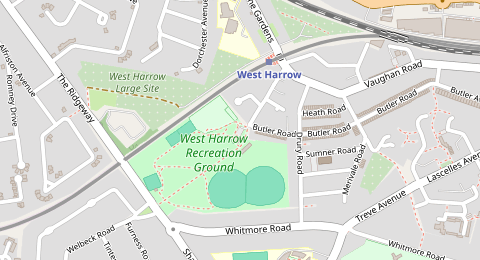
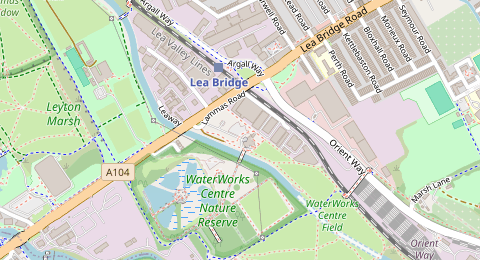
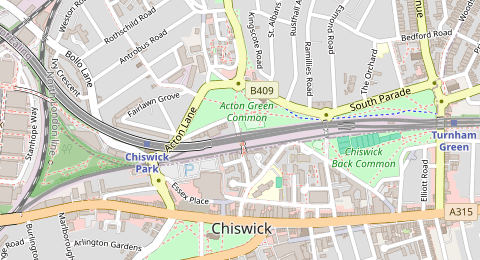
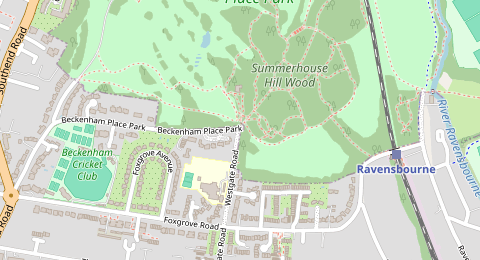
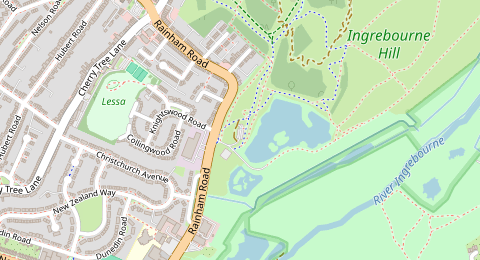
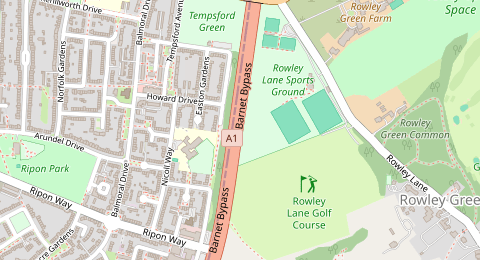
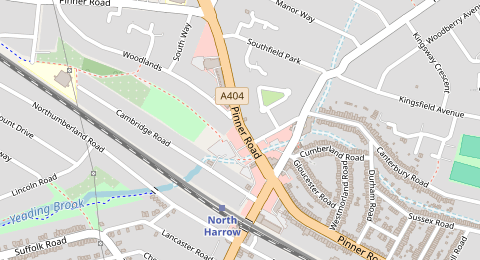
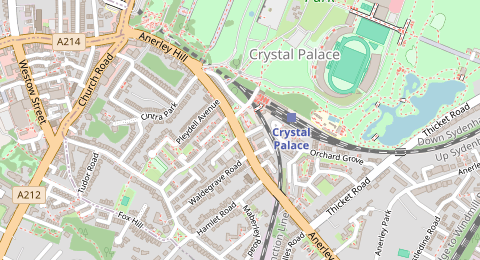
Spots are likely-free candidates based on OpenStreetMap data, not a guarantee. Parking rules change by street, side and time — always confirm the signs on arrival.
435 probable free parking candidates are available on the London map, including 28 fresh, 62 medium-fresh and 345 older data points. Open the map to compare candidates visually, then use Street View and Google Maps navigation from each marker.
London is one of the UK’s most controlled parking environments. In many inner boroughs, kerbside space is divided into resident bays, paid bays, shared-use bays, loading bays, disabled bays and yellow-line restrictions, often within a Controlled Parking Zone. Westminster, Camden, Islington, Hackney, Kensington and Chelsea, the City of London and other central boroughs have dense restrictions, while outer London can still have controlled areas around high streets, stations, schools, hospitals and event venues. Free parking is therefore most realistic when you use the map to identify quieter streets, then confirm in Street View and on arrival that the bay is outside controlled hours or not restricted.
These are practical starting points for finding likely free parking in London. Use them as a shortlist, then verify signs on Street View and on arrival.
Outer London residential streets can have fewer all-day controls than Zone 1 or busy inner-borough streets, especially away from stations, hospitals and shopping streets.
Verify: Use Street View to look for CPZ entry signs, permit bay plates, yellow lines and any school-street or access-control signs.
Borough CPZ maps can reveal streets near the edge of a controlled area where restrictions may be shorter, different or absent. These are often worth checking before driving into a busier district.
Verify: Compare the parking map with the borough’s official CPZ map, then confirm the exact restriction on the street sign.
In some London boroughs, resident, pay-by-phone or shared-use bays may be usable without payment or permit outside the signed controlled hours.
Verify: Read the bay sign carefully for days, hours, permit zone letters, maximum stay, no-return rules and exceptions.
Immediate station surroundings are often controlled for commuter parking, but streets farther away may have more opportunities if signs allow parking.
Verify: Avoid assuming station-area streets are unrestricted; check for CPZ signs, resident-only bays and event-day controls.
Streets away from the main entrances to parks and commons may be worth checking, but visitor pressure often brings controls near popular gates and attractions.
Verify: Check both street signs and any park-specific car park rules; Royal Parks and visitor car parks may be chargeable or time-limited.
Some non-residential edges in outer boroughs may have less overnight or weekend demand than high streets or central areas.
Verify: Look for loading-only signs, goods-vehicle bays, yellow-line loading marks and any weekday-only restrictions before parking.
In these parts of London, free parking is less likely or the rules may be more complex.
These areas have dense paid bays, resident bays, loading rules, suspended bays and high enforcement, and are within or close to central charging areas.
Kerb space is limited and highly managed, with many bays reserved for specific users, loading, disabled parking, motorcycles or short-stay use.
These boroughs use extensive parking zones and bay controls. Hours can vary by zone, street and event day.
Red lines are stricter than ordinary yellow lines. Stopping to read a sign, unload or wait can still result in a penalty unless the sign specifically allows it.
Match-day and event-day controls can extend or change normal parking hours in surrounding streets.
Some streets restrict vehicle access at certain times even if parking might look possible. Entering during restricted hours can lead to a moving-traffic penalty.
Suspensions for removals, roadworks, events or building works can override normal parking permissions and may lead to removal as well as a penalty.
FreeParkMap is built around verification. Open a candidate spot, check the street visually, then confirm the nearest signs when you arrive.
This page highlights likely free parking based on map signals and local parking patterns. It does not guarantee that a space is free or legal; always check the live street signs, bay markings and any temporary notices before parking.
FreeParkMap is a discovery tool. It helps you build a shortlist of possible places to check, not a guarantee that a space is legal or free.
The page is designed for one simple workflow: discover, verify, navigate, then check signs on site.
Search London on the map and zoom into the area you actually need to visit.
Open likely free parking suggestions and compare them with CPZs, red routes, bay markings and Street View.
Choose a shortlist of streets, then navigate with Google Maps to the safest-looking option first.
On arrival, read the live signs and markings before leaving the vehicle; if anything conflicts with the map, follow the street sign.
Quick answers before using the map.
Yes, but it is limited and highly dependent on the exact street, time and bay. Free parking is most likely outside controlled hours or in less controlled outer residential areas, but you must verify signs before leaving the car.
Look outside central London, away from high streets, stations, hospitals, stadiums and tourist attractions. Outer residential streets and bays outside controlled hours are often better starting points than Zone 1.
Sometimes, but not everywhere. Some boroughs allow general parking in certain bays outside controlled hours, while other bays remain reserved or have special conditions. Always check the bay sign.
Only if the restriction is not active and no loading ban or other local restriction applies. In CPZs, the active hours may be shown on zone entry signs rather than beside every single yellow line.
Usually not. Red routes are designed to keep traffic moving and have strict no-stopping controls. Only use a marked red-route bay if the adjacent sign clearly permits parking at that time.
They affect the drive to the parking space rather than the parking bay itself. If you drive within the Congestion Charge zone during charging times or drive a non-compliant vehicle within ULEZ, you may need to pay TfL even if the parking space is free.
These notes explain which public information sources were used to make this page more specific.
General London parking rules, bays, yellow and red lines, suspensions, pavement parking and enforcement context.
Central London charging-zone context and reminder to check TfL before driving into the zone.
ULEZ coverage across London boroughs and charging context for drivers.
TfL responsibility for London red routes and the split between TfL and borough road management.
Example of borough CPZ coverage, variable zone hours and the need to check bay signs.
Central borough parking zone context for Westminster.
Heading somewhere else? Check likely free parking maps for more cities.
Review likely free spots, inspect signs with Street View, and open Google Maps navigation when a location looks worth trying.
Open London map →